
If you are an owner or an operator of a small business, you know all too well that unpaid invoices become more than a frustration. They affect your cash flow, ability to meet payroll, growth opportunities and overall, Peace of Mind.
Many small businesses, in particular, reach a stage where those internal reminders and follow-up calls are no longer effective. You and your team are spending tremendous time and energy, yet customers are still not meeting their obligations.
That’s why it’s important to use a reputable small-business debt collection agency. Having that agency by your side and working on your behalf can create dramatic results.
However, understanding the language of debt collections can help small business owners and operators ask better questions, make informed decisions and even help you improve your recovery efforts.
If you’re looking for or working with a debt collection agency for small business, here are some of the most important debt collection terms every small business owner should understand.
Accounts Receivable
Accounts receivable or AR as many refer to it is essentially money your customers owe your business for your products or services. These are items your business has already delivered to your customer.
Examples of accounts receivable for your small business include: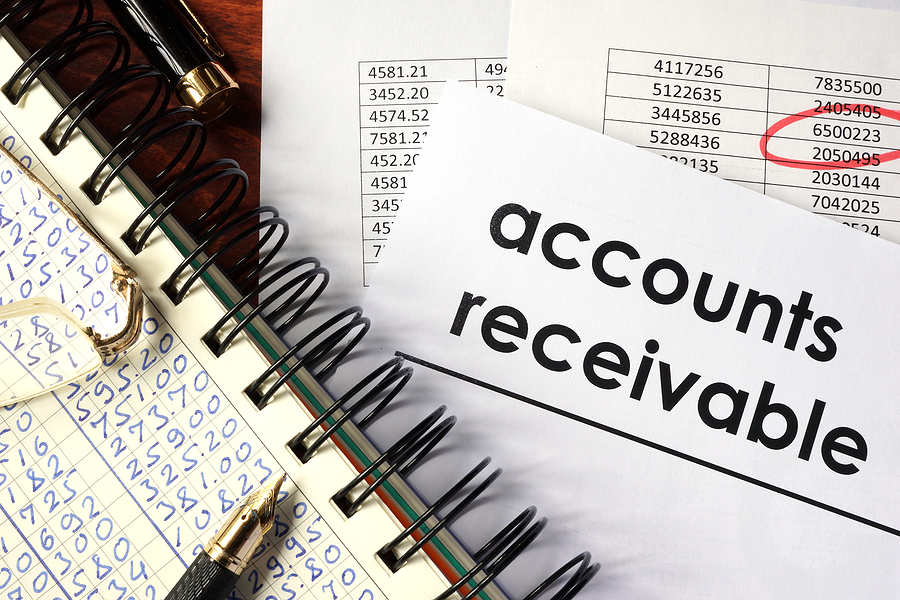
- An invoice sent to your customer that is now past due. Such as a lawn care or dental bill.
- Service contracts where payments have not been received.
- Installment payments or retainer fees that are past due.
When working with your collection agency, you may discuss the total accounts receivable balance, the age of your average receivables, individual customer payment history as well as the documentation you can provide. Generally speaking, the healthier your accounts receivable process is, the better your collection agency can deliver for you.
Delinquent Accounts
In simple terms a delinquent account is any account in your small business that has missed payment terms.
For example:
If you have invoices sent to customers that are due in 30 days, as soon as that invoice reaches day 31, that is considered delinquent.
It’s important to point out that not every delinquent account needs to be sent to your debt collection agency immediately. You should be employing internal strategies when the invoice becomes delinquent.
During those first 30 days, statements and reminders should be sent to your customers that are delinquent.
When you get past day 31 for example, a more assertive follow-up such as a courteous phone call to check on payment is strongly recommended.
Depending on the level of comfort you feel, between 60 and 90 days late, you may choose to issue a final demand letter.
And many businesses now have a 90-day rule where they will send that delinquent account to their debt collection agency.
Aging Report
An aging report is an important tool for any size business. It essentially categorizes your outstanding invoices by age.
Your accountant or bookkeeper can help you with this, but it’s typically grouped anywhere from current invoices, all the way to 90 days past due and beyond.
This report can help your collecting agency determine the level of need for your organization. And it can help you understand which customers are consistently late in which accounts may be more difficult to collect on.
First Party and Third-Party Collections
There is a difference in collection activity depending on who is performing it.
First-party collections occur when your business performs collection activities with internal resources. That can include reminder emails, follow-up calls, structured payment plans and statements.
Third-party collections is when you retain a collection agency that will handle debt collections on your behalf. You and your team will work closely with specialists that will contact your customers on your behalf and help those consumers meet their financial obligations to your business.
Charge offs
A charge-off indicates that the debt owed to your business is moved from a receivable to the loss category. This is something your bookkeeper or accountant would do as well as determine the best time to do this.
It’s important to understand that a charge-off does not mean that the debt disappears. Your business can still pursue collection activity, negotiate payments and other forms of recovering that money.
Many businesses charge accounts off and forget about them. You can still pursue that account.
Disputed Debt
Oftentimes, consumers may dispute an invoice for various reasons. And because of that, they will not pay.
Some of the issues that can arise include a perceived incorrect amount, problems with the service they feel you provided, disagreements in contracts and other disputes.
When you use a collection agency, supporting documentation can help that professional collector mitigate the dispute on your behalf.
Recovery Rate
Recovery rate indicates how much money is actually collected on your behalf.
It’s important to understand that many factors determine how much a collection agency can recover.
This is an important question to ask when hiring a collection agency. Everything from the age of your accounts, documentation, and your internal credit approval procedures can play a role in how much a collection agency can recover for your business.
In short, the more prepared your business is with internal procedures, the better the chances of a collection agency recovering more money on your behalf.
When hiring a collection agency for your business, understanding these important terms can help you better understand the process and how that agency can perform most effectively on your behalf.
Need to discuss your debt collection needs with APR? Call (248) 948-1234 or use the form below to request more information.
Share This Story, Choose Your Platform!
Related Posts



Call (248) 948-1234 or use the form below to request more information.